





Finalmente sta accadendo: avete l'opportunità di trasferirvi in un altro Paese e non riuscite a smettere di sognarlo. Tuttavia, prima di fare il grande passo, ci sono alcune cose che dovete sapere. Innanzitutto, quanto costa trasferirsi in un altro Paese?
Forse avete calcolato il budget, ma avete tenuto conto dei costi nascosti? Conoscere queste spese è sempre utile per evitare che vi colgano di sorpresa dal punto di vista finanziario. Continuate a leggere per sapere quanto costa trasferirsi all'estero.
Indice dei contenuti
Tasse per i visti e l'immigrazione
La maggior parte dei Paesi richiede il pagamento di tasse per la richiesta di un visto. Questo non garantisce l'ottenimento del visto. Inoltre, se i funzionari respingono la vostra domanda, dovrete richiederla di nuovo, il che è costoso. Ad esempio, per il visto per residenza qualificata della Nuova Zelanda è necessario pagare 6450 dollari.
Se il passaporto è redatto in un'altra lingua, è necessario ricorrere ai servizi di traduzione.
Se non conoscete bene le leggi sull'immigrazione di un Paese, dovrete ricorrere all'aiuto di consulenti e avvocati. E questi possono richiedere tariffe elevate.
Bisogna anche considerare altre spese legate all'immigrazione. Ad esempio, potreste aver bisogno di una visita medica e di vaccinazioni specifiche. È probabile che dobbiate fare un controllo sul vostro passato tramite le autorità locali preposte all'applicazione della legge.
Se vi state trasferendo in Canada, potreste aver bisogno dei servizi di traduzione dell'IRCC per presentare tutti i vostri documenti di immigrazione.
Servizi di spedizione e trasloco
Pensare a ciò che si vuole portare con sé e a ciò che si vuole lasciare è un compito arduo. Le vostre cose hanno un legame personale e potreste avere voglia di prendere tutto. Ma potrebbe non essere così.
E se avete intenzione di vivere con quello che avete nel bagaglio a mano e nel bagaglio da stiva? Dovete comunque tenere conto delle cose che comprerete.
Se dovete traslocare diversi oggetti, un'opzione è quella di spedirli alla vostra sede. Anche in questo caso si tratta di un'operazione costosa e potrebbe essere necessario acquistare un'assicurazione nel caso in cui qualcosa vada storto. È inoltre necessario pagare i materiali di imballaggio, soprattutto quando si trasportano oggetti di valore o fragili.
Supponiamo che dobbiate alloggiare in un albergo o presso persone che conoscete finché non trovate un posto? Dovrete mettere le vostre cose in un deposito, il che costa.

Assistenza sanitaria e assicurazioni
L'assicurazione del paese d'origine potrebbe non coprire le spese mediche nei paesi stranieri. Quindi, l'unica opzione è scegliere un'assicurazione sanitaria privata, che è costosa. Il premio varia in base all'età, alla copertura e ad altri fattori.
Purtroppo, i piani assicurativi non coprono tutto. In altre parole, è necessario pagare per alcuni servizi e farmaci. Alcuni Paesi hanno un'assistenza sanitaria accessibile, ma non tutte le regioni.
Se la lingua del tuo Paese di origine e quella del Paese ospitante sono diverse, probabilmente avrai bisogno di ricorrere a servizi di traduzione medica.
Commissioni bancarie e di cambio valuta
L'utilizzo del conto corrente, delle carte di credito o di debito del paese d'origine comporta costi aggiuntivi. Questo è evitabile in una certa misura se si ottiene una carta forex. Un'altra opzione è quella di avere un conto bancario locale, ma per aprirlo è necessario effettuare un deposito minimo.
Quando si trasferisce il denaro dal vecchio al nuovo conto, bisogna tenere conto del tasso di cambio della valuta. Le banche non sempre offrono i valori migliori, riducendo così l'importo ricevuto.
Inoltre, è necessario assicurarsi che i documenti presentati per l'apertura del conto siano nella lingua corretta. In caso contrario, è necessario ricorrere a servizi di traduzione certificata per evitare inutili ritardi.
Depositi per abitazioni
I locatori e le società di gestione immobiliare chiedono un deposito cauzionale, soprattutto se siete stranieri. Può trattarsi di una somma considerevole, di solito compresa tra 1 e 3 mesi di affitto.
Ma chi vi aiuterà a comprare una casa in un altro Paese? Se non avete parenti o amici, la vostra unica opzione è un'agenzia immobiliare. Questi si faranno pagare almeno un mese di affitto per trovare una casa che rientri nel vostro budget.
Avete considerato anche le spese di traduzione dei documenti perché i vostri documenti d'identità e altri file sono in un'altra lingua?
Imposte e obblighi finanziari
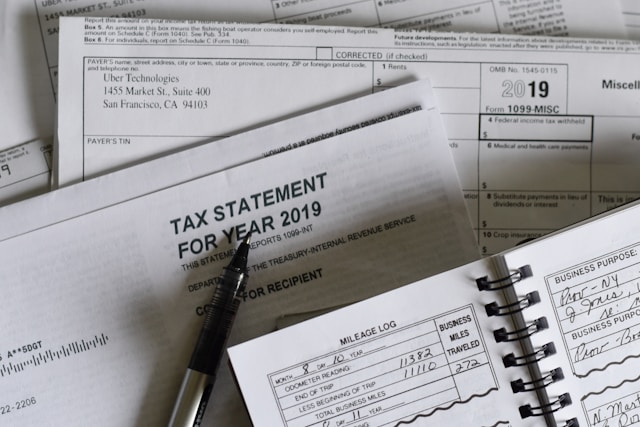
È necessario conoscere il sistema fiscale del Paese ospitante. Se non lo conoscete, avete bisogno di un commercialista che vi aiuti a pagare le tasse. A volte è necessario pagare le tasse sia nel Paese d'origine che in quello ospitante. Tuttavia, questo potrebbe essere evitato se i due Paesi avessero un trattato fiscale.
Altre tasse si applicano quando si acquistano beni, si comprano proprietà o si guadagna denaro nel Paese ospitante.
Costi di trasporto
Quando siete nuovi nel Paese, come vi muoverete? I trasporti pubblici sono un'opzione; potete fare un abbonamento, che a lungo andare sarà più economico. Ma cosa succede se il trasporto pubblico non è ben collegato alla vostra città?
L'altra opzione è quella di utilizzare i taxi o i servizi di ride-sharing, che sono costosi. È sempre possibile richiedere una patente di guida, ma è necessario pagare le spese di richiesta.
Naturalmente, queste spese sono evitabili se si acquista una bicicletta o una delle sue varianti elettroniche. Tuttavia, è necessario acquistare una bicicletta, il che comporterà una piccola ammaccatura nel vostro budget.
Corsi di lingua e formazione culturale
Se non conoscete la lingua ufficiale del Paese, dovete impararla al più presto. In questo modo sarà più facile integrarsi nella comunità e parlare con la gente del posto.
Anche se alcune app aiutano nell'apprendimento delle lingue, non si avvicinano ai corsi di lingua offline o online. Questi corsi costano, e bisogna tenerne conto. Un buon modo per conoscere nuove persone è partecipare a un workshop. Ma anche in questo caso bisogna pagare una quota.
Potete anche partecipare a programmi di formazione culturale, che vi faranno conoscere le norme culturali di un paese. Anche in questo caso, dovete assicurarvi di mettere da parte un po' di denaro per questo tipo di attività.
Spese per l'istruzione dei figli
Se vi trasferite con i vostri figli, dovete considerare la loro istruzione. Ovviamente ci avete già pensato, ma è importante ribadire questo punto. Dopo tutto, l'istruzione può essere costosa, soprattutto se si è stranieri.
Le scuole pubbliche sono sempre un'opzione, ma i vostri figli dovranno imparare la lingua. Potrebbero anche trovare un po' difficile integrarsi con gli altri studenti.
Ma questo è solo uno dei costi da considerare. Bisogna considerare anche altri costi, come il materiale scolastico e le uniformi. Se si utilizza l'autobus della scuola, si deve pagare per questo servizio.
E se volessero partecipare ad attività extrascolastiche? O se vogliono praticare sport o musica al di fuori dell'orario scolastico. Questo è uno dei tanti costi nascosti del trasloco.
Potrebbe anche essere necessario ricorrere a una traduzione autenticata se i documenti scolastici dei vostri figli sono redatti in una lingua diversa. Ciò è importante quando si entra in una nuova scuola o università in un paese straniero.

Costi di trasferimento degli animali domestici
I costi di trasferimento internazionale per gli animali domestici sono costosi. Forse sapete già che il biglietto per il vostro animale domestico ha un costo aggiuntivo. Ma c'è di più. Per cominciare, dovete farli controllare e vaccinare. Potreste anche dover ottenere un certificato di salute dal veterinario.
La compagnia aerea addebiterà un supplemento per il trasporto dell'animale in aereo. Bisogna anche pensare alle spese di trasloco impreviste. Ad esempio, in caso di ritardo, l'animale deve rimanere in un altro Paese fino al volo successivo. Questo può richiedere alcune ore o addirittura un giorno. Cosa farete per la loro sistemazione durante questo periodo?
Fondi di emergenza
I fondi di emergenza sono essenziali quando ci si trasferisce in un altro Paese perché può succedere di tutto. Ecco alcune situazioni possibili:
- Avete una patologia e dovete pagare di tasca vostra perché non rientra nella copertura assicurativa.
- Dovete trasferirvi in un altro quartiere per motivi personali.
- Dovete acquistare alcuni elettrodomestici perché quelli vecchi si sono rotti.
- Avete perso il telefono o il computer portatile mentre eravate in viaggio e avete bisogno di uno nuovo per il lavoro o la scuola.
Avere almeno sei mesi di spese di sostentamento nel proprio conto di emergenza è una buona idea. Tuttavia, aumenta anche il costo del trasferimento all'estero.
Anticipare sempre i costi nascosti
Sommando tutto, si ottiene un costo realistico del trasferimento in un altro Paese. Questo non significa che non dobbiate farlo. Sapere che cosa ci si aspetta renderà più facile la preparazione del budget per i costi di un trasloco all'estero. Vi aiuterà nella transizione e non dovrete preoccuparvi più di tanto.
Una parte essenziale del trasferimento all'estero è assicurarsi che i documenti e i certificati siano in una lingua specifica. In caso contrario, è necessario rivolgersi a un'agenzia di traduzione professionale per tradurre i documenti.
I servizi di traduzione online di Rapid Translate ti consentono di tradurre i tuoi documenti, indipendentemente da dove ti trovi. Disponiamo di traduttori professionisti che padroneggiano oltre 60 lingue. Se ti stai trasferendo negli Stati Uniti, utilizza la nostra traduzione certificata USCIS con garanzia di accettazione al 100%.
In questo modo, potrete presentare i vostri documenti senza pensarci due volte, perché sono conformi ai severi requisiti dell'USCIS.
Domande frequenti
Volete sapere quanto costa emigrare? Avete altre domande simili? Consultate questa sezione perché risponde a tutti i tipi di domande su questo argomento.
Di quanto denaro avete bisogno per trasferirvi all'estero?
Dipende! Ovviamente, avere più soldi sul conto è meglio perché non dovrete preoccuparvi di spese impreviste. Avere almeno 3000 - 10000 dollari in più per vivere in un altro Paese è una buona idea.
Quali sono i paesi più economici in cui trasferirsi?
Diversi Paesi asiatici, come Bhutan, Nepal, India e Thailandia, sono tra i più economici in cui trasferirsi. Per capire se si tratta di un Paese conveniente, è bene considerare il costo mensile della vita.
Perché è necessario tradurre i documenti quando ci si trasferisce all'estero?
I Paesi hanno lingue ufficiali e i vostri documenti devono essere in queste lingue per essere legalmente validi. In caso contrario, i funzionari respingeranno la vostra domanda al momento della presentazione dei documenti.