




Quick answer: CV translation means converting your CV into another language without changing its structure. CV localization goes further by adapting your CV to match local hiring standards, formatting, and expectations in a specific country.
When you look for a job abroad, everything usually starts with one thing – your CV. It’s the first thing employers notice, even before they talk to you. A lot of people think that translating their CV into English is enough. Turns out, it’s not always that easy.
There are two ways to get your CV ready for the global job market: translation and localization. People often mix them up, but they’re not the same. In this article, we’ll explain the difference between CV translation services, show a few easy examples, and help you figure out what works best for you.

Table of Contents
What Is CV Translation?
CV translation means converting your CV into another language while keeping the original structure and format unchanged. Nothing fancy – you don’t change the format or the order of sections, just make sure it’s readable.
For example, if your CV is in French or German, translating it to English just swaps the words. Your layout and style stay the same. A good translation still uses proper grammar and the right job terms.
Most people do this when they’re applying for jobs abroad or remote work. Employers see CVs from all over the world, so they mostly care about what you’ve done, not how your CV looks. That’s why resume translation is a quick and easy way to get your CV ready.
What Is CV Localization?
CV localization might look a lot like translation at first, but it’s actually a deeper process. It’s not just about changing the language – it’s about making your CV fit the expectations of a specific job market. Basically, it makes your CV look like it was originally made for that country.
Localization can include things like:
- Changing the structure of your CV to match what’s common in that country
- Adjusting job titles to local standards
- Tweaking the style and tone so it feels natural
- Adding or removing certain info
- Formatting dates, numbers, or currency correctly
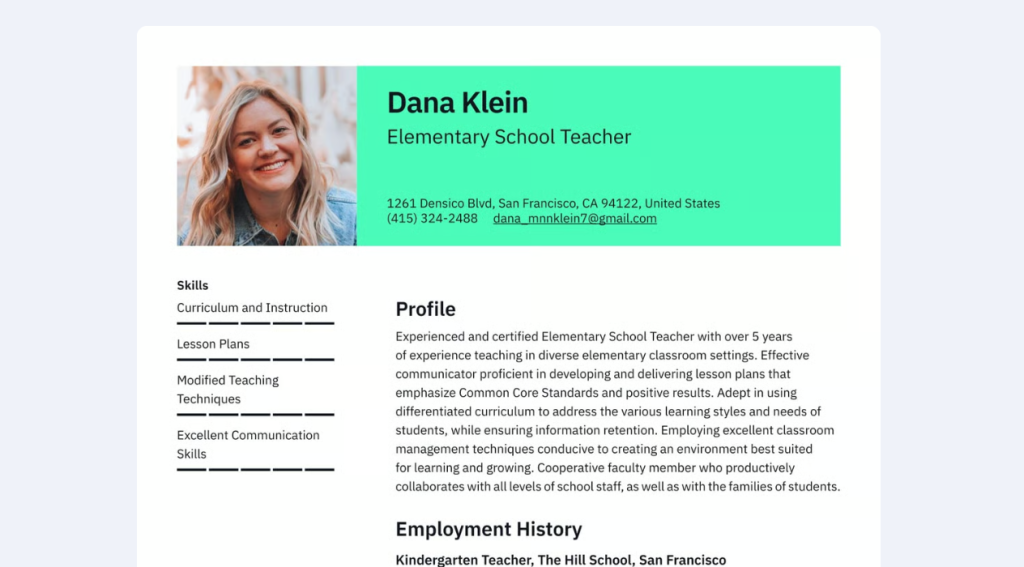
For example, in some countries it’s normal to include your birth date, but in the US, you usually don’t. In Europe, CVs can be 2–3 pages, while in the US, one-page resumes are standard. That’s what CV localization is all about – not just the words, but the cultural and professional context too.
CV vs Resume: What’s the Difference?
In some countries, the terms CV and resume are used differently.
In the US:
- A resume is usually 1 page and focused on skills and experience
- A CV is longer and used mostly in academic or research roles
In Europe:
- CV is the standard term for job applications
- It can be 2–3 pages and include more detailed information
Understanding this difference is important when applying internationally, especially if you’re localizing your CV for a specific country.
CV Translation vs CV Localization: Key Differences
The difference between these two is actually pretty simple.
Translation answers the question: “What does it say?”
Localization answers the question: “Does this feel right to a local employer?”
Translation focuses on getting the words exactly right, while localization focuses on how the CV reads to a recruiter. A localized CV usually feels easier to read and matches what the company expects.
When You Just Need a CV Translation
A CV translation is usually enough when:
- You’re applying for international or remote jobs
- The company hires people from all over the world
- The employer uses English as the main language
For example, IT specialists or designers often work with global teams, where the exact CV format isn’t a big deal. In these cases, professional CV translation services help you get a clear, ready-to-use document fast.
When You Need CV Localization
Localization matters more when:
- You’re applying to a local US company
- You’re competing with other candidates from the US
- You want your CV to feel “local”
Here, a resume localization service doesn’t just translate your text. It also makes your CV fit US standards, which really boosts your chances of getting past the first round.

CV Translation vs CV Localization: Quick Comparison
| Feature | CV Translation | CV Localization |
|---|---|---|
| Purpose | Change language | Adapt to local job market |
| Structure | Remains the same | May change |
| Job Titles | Direct translation | Adapted to local standards |
| Formatting | No changes | Adjusted (dates, layout, etc.) |
| Best For | International roles | Local job applications |
Common Mistakes Candidates Make
One of the most common mistakes is using automatic translators without editing. Sure, it’s quick and easy, but it often leads to awkward phrasing and mistakes in job terms.
Another mistake is translating job titles word-for-word, which can confuse a US recruiter. Candidates also sometimes keep info in their CV that might be unnecessary or even unwanted in another country.
Practical Tip: Did you know that recruiters usually spend less than 10 seconds on the first scan of your CV? That means the first glance really counts – clear headings, simple formatting, and familiar local terms can make you stand out instantly.
FAQs About CV Translation and Localization
Is CV translation enough for international jobs?
Yes, in many cases CV translation is enough, especially for remote or international roles. However, for local job markets, localization can improve your chances.
When should I localize my CV?
You should localize your CV when applying to companies in a specific country where hiring expectations differ.
What is the main difference between translation and localization?
Translation focuses on language, while localization adapts both language and structure to match local expectations.
Can I translate my CV myself?
You can, but professional CV translation services ensure correct terminology and better readability.
Conclusion
The difference between CV translation and CV localization isn’t just about language – it’s about approach. Translation works well for general use, while localization helps tailor your CV to a specific market and what employers expect.
If you’re applying for jobs internationally, choosing between CV translation and localization can make a real difference. A well-adapted CV helps recruiters understand your experience faster and increases your chances of getting shortlisted.
Services like Rapid Translate can help you translate and adapt your CV professionally, ensuring it meets international standards and expectations.