




ChatGPT has been around for a while, and people still learn more about it daily. The chatbot offers many amazing features that make it the perfect interaction tool. However, many users often ask, “How good is ChatGPT at translation?”
This blog post explains everything you need about ChatGPT’s translation abilities. It highlights the tool’s strengths and limitations.
Read to the end to get all the answers you need!
Table of Contents
What Is ChatGPT?
ChatGPT (Chat Generative Pre-trained Transformer) is a natural language processing system designed by OpenAI. This user-friendly artificial intelligence (AI) serves the main purpose of engaging in human-like conversations with users.
It is a chatbot that uses a large database to provide human-like responses with real-world information. ChatGPT’s design allows it to handle technical questions and provide clear, correct answers.
In addition, ChatGPT can do other things, like writing programming codes and composing emails in different languages. It can also generate creative content such as song lyrics, stories, marketing content, scripts, etc.
Can ChatGPT Translate?
Yes, ChatGPT can translate text from one language to another. This highly developed system’s access to large data makes it translate effectively. Its translation capabilities allow it to understand the meanings of words and sentences in different languages.
Here are some of the actions ChatGPT can handle with this ability:
- Simple conversations: The chatbot can translate simple daily phrases and common vocabulary into many languages.
- Technical texts: ChatGPT can translate technical content with fair accuracy. However, some specific slang may need some human corrections.
- Cultural variations: It can understand and translate metaphors, idioms, and cultural references to maintain the original meaning across languages.
- Multiple languages: It can translate text between various languages. However, the translation accuracy may vary based on the language pair.
While ChatGPT does all of this, there is a general concern about translation tools like this. Therefore, it is common to ask questions like “Is ChatGPT good at translation?”
How Good Is ChatGPT at Translation?
ChatGPT is generally good at translating a wide variety of texts and contexts. However, like every AI translation technology, there may be a few noticeable errors. This doesn’t mean the chatbot isn’t capable; there are just some limitations.
These limitations affect its results in terms of accuracy and quality. ChatGPT is a text-only system requiring users to input texts and receive responses. This feature puts it at a disadvantage when translating content.
Unlike other translation tools, this bot may be unable to handle complex projects like documents and media. Hence, it may not be the first choice for machine translation in specific cases. However, reviewing its strengths and weaknesses is best to help you understand better.
Strengths of ChatGPT in Translation
Like every tool, this chatbot has qualities that make it stand out for translation projects. Let’s look at three of these.
1. Understanding Context
One visible quality of ChatGPT is its ability to understand and maintain contexts during translations. Unlike regular translation tools that may depend heavily on literal translation, ChatGPT is more natural.
This chatbot can get the overall meaning of sentences and words. This helps to make the translation process smoother and more reasonable. It produces results that sound more natural.
2. Cultural Differences
ChatGPT has undergone intense training to understand and produce human language. This training involved a large database containing texts that reflect various cultures and customs.
This action allows the chatbot to understand cultural references for different languages better. It enables ChatGPT to produce accurate and culturally relevant translations.
3. User-Friendly Interface
ChatGPT is easy to access and use from any device and location. This makes it a helpful option for people and businesses looking for instant translations.
This chatbot is like a handy companion in any condition. Users can easily start simple conversations to get translations for simple conversations or professional documents.
Top 4 Limitations of ChatGPT in Translation
Evaluating this tool’s limitations is essential to determining its competence. We’ve highlighted the major ones in this section.
1. Incorrect Translations
While ChatGPT often produces high-quality translations, it is not perfect. The tool struggles with specific or technical words, especially in industries like law or medicine. Users may notice incorrect results or errors that need human intervention.
It may not always get the precise meaning of complex words. This is especially common if the language contains terms or phrases that are less common.
2. Inability To Translate Complex Sentences
ChatGPT is effective at translating simple sentences and texts. However, translating complex sentences and words can be challenging. Literary texts with complex nuances or multiple clauses may result in incorrect translations. This may make the content miss the original meaning or tone quality.
In addition, the translation may be incorrect in cases where the text or context is unclear. You may need to make things clear to get a more accurate result.
3. Language Fluency
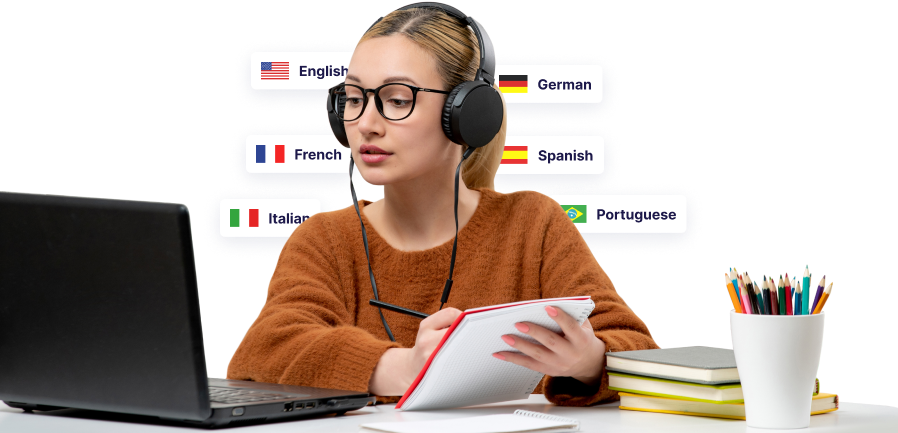
While ChatGPT supports multiple languages, it is more fluent in some languages. Its strongest languages are more popular ones like French, Spanish, or German. The chatbot may struggle with less popular languages like Korean, Ukrainian, or Tagalog.
4. Problem With Creative Texts
Translating literature, poetry, and other creative content can be challenging. The chatbot struggles to maintain the original text’s tone, style, and meaning. In this case, hiring a human translator to complete such projects is best.

FAQ
Is ChatGPT better than DeepL?
In terms of operation, ChatGPT is more versatile. It can create a wide range of written content, provide explanations, and engage users in human-like conversations. On the other hand, DeepL specializes and is more effective in getting accurate translations.
Typically, DeepL preserves the original meaning and tone of the text. It can also handle complex words and contexts.
Does ChatGPT translate better than Google Translate?
ChatGPT’s translation accuracy can vary compared to Google Translate. The chatbot offers translations that are more proper for the context. Meanwhile, Google Translate is often accurate for technical content due to its training and regular updates.
In addition, ChatGPT is perfect at handling code-switching and cultural nuances. On the other hand, Google Translate provides literal translations that may lose the intended meaning or emotion.
Is ChatGPT good at language translation?
ChatGPT can provide fairly accurate translations for various languages. It is especially perfect for common phrases and conversations.
However, it may be less accurate with complex sentences, idioms, or specific terms. It is best to use ChatGPT for general translation tasks rather than professional or highly technical documents.
How good is ChatGPT-4 for translation?
ChatGPT-4 can translate complex texts. However, it may not always capture specific or technical terms accurately. It would help users to verify its translations for fields like medicine, law, or scientific research.
In addition, ChatGPT-4 is perfect for quick and casual translations. It can often translate slang and informal conversations. But, it doesn’t match the quality and cultural aspects of professional human translation services.
How Good Is Chat GPT at Translating Compared to Human Translators?
ChatGPT’s translation is fairly good compared to that of human translators. Generally, ChatGPT can provide high-quality translations. However, letting a human translator review the results is often a good idea.
Let’s compare both translation methods.
Accuracy
In some cases, ChatGPT’s translations are remarkably correct. It can quickly translate simple texts and instructions with a speed that human translators can’t match.
However, its translations may be incorrect in complex cases. Professional translators can handle such complex content.
In addition, they can bring out the language qualities, cultural references, and emotional properties in the content. It is difficult for AI to produce something similar fully.
Context
Human translators have the skills to bring out the original context of the content in other languages. They are mostly subject matter experts who use the right tone for the target audience. These translators understand and convey the original meaning correctly. Meanwhile, ChatGPT can’t maintain a similar context for complex texts.
Cultural Differences
While ChatGPT recognizes cultural references, it lacks understanding like human translators. Translators have the experience to make the content feel more natural to the target audience’s culture.
Professional Translations
Tools like ChatGPT are more useful for quick translations. However, human translators are perfect for professional documents, creative content, and legal texts. In addition, professional translators offer a level of client interaction that AI doesn’t.
You can tell them what you want and review the project. In addition, translators can certify and notarize official documents. With all this information, you can now determine answers to questions like, “How good is ChatGPT at translation?”
It would be best to let a professional translation company like Rapid Translate handle your projects. Our translators have the skills to give your documents the quality AI can’t. Rapid Translate can take your communication to the next level, regardless of the translation purpose.